
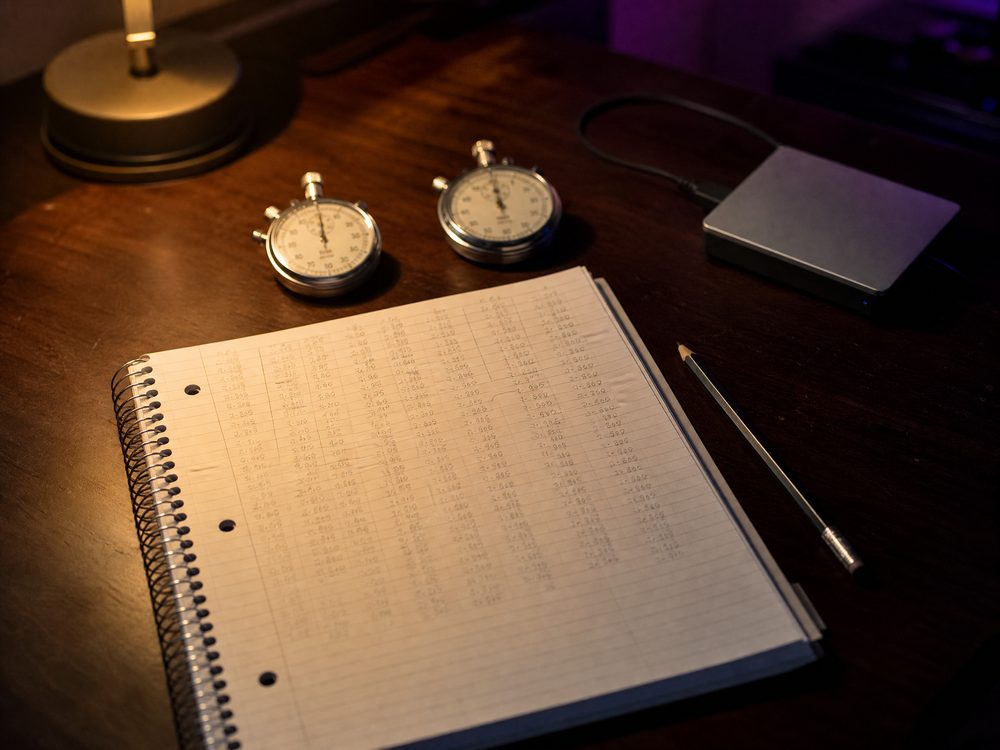
This site began with an argument about a game nobody here liked. It had a nineteen-second respawn, it was reviewed everywhere as difficult, and it seemed obvious to us that a substantial part of what people were calling difficulty was actually the cost of failure being measured in time rather than in stakes. Nobody had the number, so we got the number.
Then we got forty more, because it turned out the interesting thing was not any single figure but the comparison between them. A four-second fast travel and a sixteen-second fast travel are not two versions of the same feature; they produce different games out of identical design documents.
What we actually publish
Full reviews of PC games, covering everything a review normally covers, with the timings printed alongside the verdict rather than replacing it. Two of the highest-scoring games in the current file are slow, and two of the lowest-scoring ones are fast, which is roughly the distribution you would expect if the numbers were being reported honestly rather than used to make a point.
Alongside the reviews there are shorter notes: a single measurement examined across several games, a convention questioned, or an aggregate worked out for something the industry has decided is too small to count.
How the work is done
Slowly. Every game is played for at least twenty hours before it is scored, and the aggregate counts — three hundred and forty lift rides, four hundred and four scene transitions — are kept by hand on paper as they happen. There is no instrumentation, no overlay and no script, because a tool that hooks into the game changes the thing being measured.
The consequence is that this site publishes rarely. That is a trade we are content with; the alternative is a faster number that means less.
A measurement nobody has bothered to take is usually a measurement somebody benefits from nobody taking.
Independence, stated plainly
Every game timed here was bought at retail with the publication's own money. No developer, publisher or platform has supplied a copy, funded a piece, or seen anything ahead of publication. There is no advertising, no sponsorship, no affiliate arrangement and no storefront link anywhere on this site, and there will not be, because the entire value of a comparative figure is that nobody paid for where it landed.
Why there is no contact page
Because everything this site publishes requires twenty hours of play by the person writing it, so nothing can usefully be pitched, and because a submission route on an independent site is mostly a channel for people who want to influence the numbers.
Corrections still reach us, reliably. Readers repeat our measurements on their own hardware and post the results publicly, and where they differ from ours we investigate and annotate. That has produced three corrections so far, all of them faster than a form would have been.
What comes next
More of the same file, extended to the categories we have not yet covered: strategy games, which appear to be the slowest thing on a modern drive, and multiplayer titles, where the wait is a queue rather than a load and needs a different procedure before any figure is worth printing.
The short version
One machine, one stopwatch, forty-one games, and a conviction that the least defended part of a game is the part most worth measuring. Everything else on this site is an application of that.