

This issue Forty-one games timed on one machine Slowest cold boot recorded: two minutes eleven seconds
A dim night-time desk with a curved monitor showing a violet loading bar, a stopwatch and a notebook of tally marks beside the keyboard
Reviews · Timings

Games reviewed by the minutes they take before you are allowed to play

Every game here is timed on the same machine, from double-click to first input, and then again on every load the game asks for afterwards. The verdicts are about design, but the numbers are about your evening.

41 Games timed Each on an identical desktop, three cold runs and three warm ones.
2:11 Slowest first boot Shader compilation on a first launch, with no progress indication at all.
0:04 Fastest fast travel The best result we have recorded, in a game larger than most of the field.
Latest reviews

Six games, and what each one asks you to sit through

Reviews cover the whole game, but every one of them carries the timings: cold boot, warm boot, fast travel, respawn after death, and the wait between pressing continue and regaining control.

A cloaked traveller at the edge of a vast violet valley at dusk with terraced fields and distant windmills Review 8.6

Tidewalker Never Makes You Wait For Its Own Best Idea

A large open world that loads in four seconds and hides no seams. The fast travel is close to instant, the death loop is under two seconds, and the result is a game that lets you be careless without punishing you with a wait.

4s travel39 hoursExploration
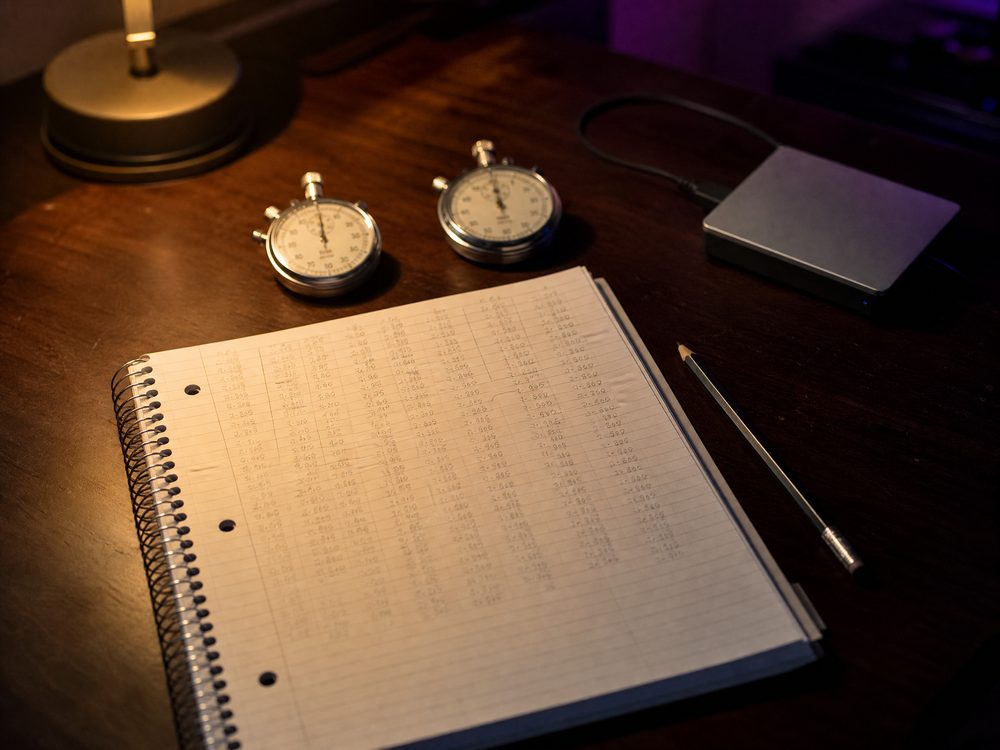
Two mechanical stopwatches and a spiral notebook filled with columns of handwritten times on a dark walnut desk
The procedure

One machine, three cold runs, three warm runs, and a stopwatch that does not care about your favourite studio

Every figure printed on this site was taken the same way, in the same room, on the same desktop, with the same drive. That consistency is the whole value of the exercise: it does not tell you how fast a game will be on your machine, it tells you how these games compare with each other.

  1. Cold bootMachine restarted, cache cleared, timed from double-click to the first frame that accepts input.
  2. Warm bootSame measurement immediately after quitting, which is where most games look far better than they are.
  3. In-game waitsFast travel, area transitions, respawn after death and menu-to-play, each timed forty times.
  4. Honesty checkWhether the game tells you what it is doing, or shows a spinning shape and hopes you are patient.
Why this matters

Three arguments for taking waiting seriously

Loading is the only part of a game that is pure cost. Nothing about it is play, nobody enjoys it, and it is the one area where an improvement has no design trade-off attached.

One

It changes how you play, not just how long you wait

A nineteen-second respawn teaches caution more effectively than any difficulty setting, and it teaches it for the wrong reason. Players stop experimenting when failure is expensive in time rather than in stakes.

Two

Short waits are the ones nobody counts

A three-second pause is beneath complaint and above nothing. Multiply it by four hundred conversations and you have an hour of a twenty-hour game spent watching a fade, which is precisely the arithmetic reviews never do.

Three

Silence is worse than slowness

A ninety-second wait with a percentage is tolerable. The same wait with an animated shape and no information produces the belief that something has broken, and several games in this file have taught players to force-quit a working process.

What the scores mean when a game is fast and thin, or slow and magnificent

The number is a review score for the whole game. Timings sit alongside it as recorded fact, and where a game is excellent in spite of its waits the review says so before it says anything else.

  • 9.0 +Fast, and the speed is part of the design
  • 8.0Excellent; one wait you learn to plan around
  • 7.0Good game paying a real time tax
  • 6.0The waiting has begun to shape how you play
  • Under 6You are managing the loader, not the game
From readers

Notes that arrived after the first set of timings went up

We do not run a correspondence page, but readers repeat their measurements and post them publicly, and the ones that changed how we work are worth recording.

I timed the same lift rides on a slower drive and got fourteen seconds rather than eleven. Your relative ranking held exactly, which is the useful part.

A reader repeating the Orbit Clerk testPosted publicly, verified against our log

Nobody had put a number on the respawn loop before. I stopped playing that game at the point where I realised how much of my session was the fade-in.

On the Splinter Arena reviewQuoted with the poster's phrasing intact

The point about silence rather than slowness is the one I keep repeating at work. A progress figure costs nothing and changes everything about how long a wait feels.